REDEFINING STYLE through ADAPTIVE FASHION
The Problem.
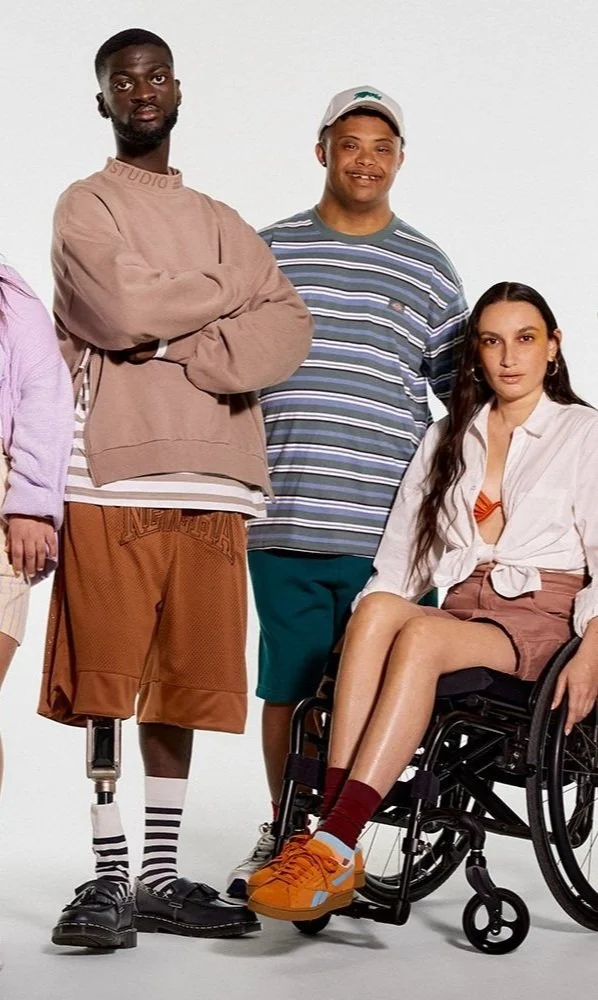
Diversity and inclusivity have been highly important social topics that are underrepresented in the fashion industry. In ZALANDO, Our customer insights research has shown that one in every five consumers has an impairment, indicating a need for adaptive fashion offerings, and 26% of participants identified as belonging to an underrepresented group.
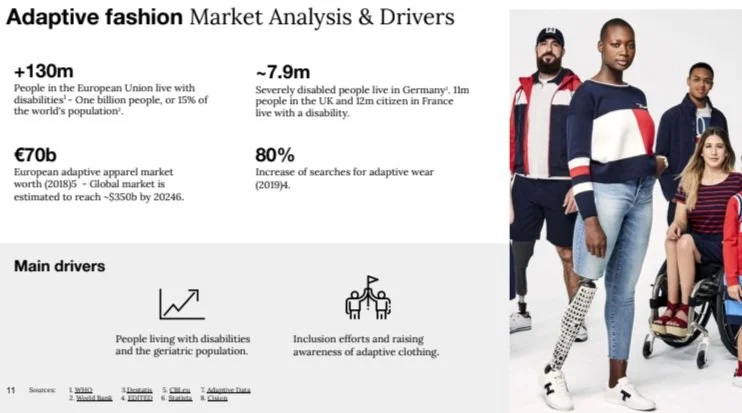
We aimed to address a significant challenge for disabled individuals: fashionable clothing that meets their needs is often scarce, expensive, and hard to find.
In our private label, we introduced "Adaptive Features," which serve as a gateway to fashion freedom for our disabled customers. Collaborating with our colleagues in content marketing and studios, we added new images and descriptions to the items in a dedicated module highlighting their adaptive features.
The Objectives.
My Role.
With two years of design processes starting in 2022 and in close collaboration with the expert agency for disability inclusion, "All is for All," I am responsible for building the women's footwear adaptive assortment for the launch collection. Since late 2023, I have also taken charge of our kids' assortment.
As a product and design expert, my role is to take consumer research and the training provided by our expert agency and translate those needs and findings into products that are not only trendy but also functional and fairly priced. With the support of my design team colleagues, I ensure that each season, we offer assortments with special features tailored to specific areas of disabilities.
What I did.
Design Element for Adaptive Features Research
Stakeholder Engagement & Management
Collection Building & Tech Pack Creation
Fitting & Correction after Sampling
The Process.
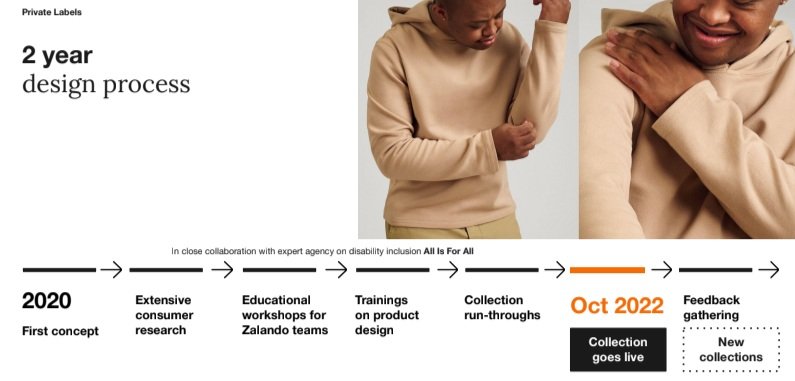
1. Timeline
In close collaboration with the Buying, Supplier Management, and Marketing teams, and coordinating with the Apparel and Accessories teams, we developed a timeline for the launch of the collection. Since the adaptive market is new to our private label, we created this timeline with consideration for training sessions and feedback collection from focus groups, led by our external expert agency to ensure our collections meet market demand.
2 . Research and Identify
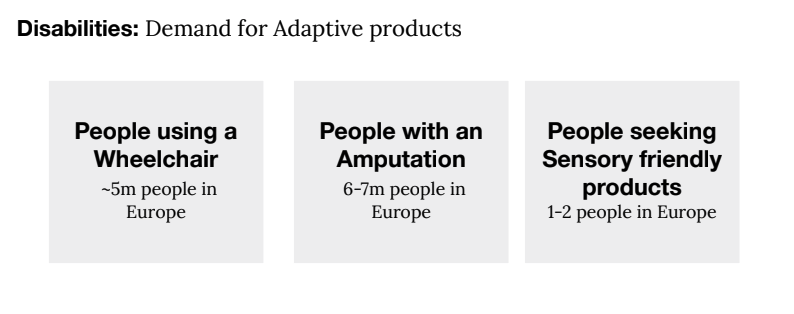
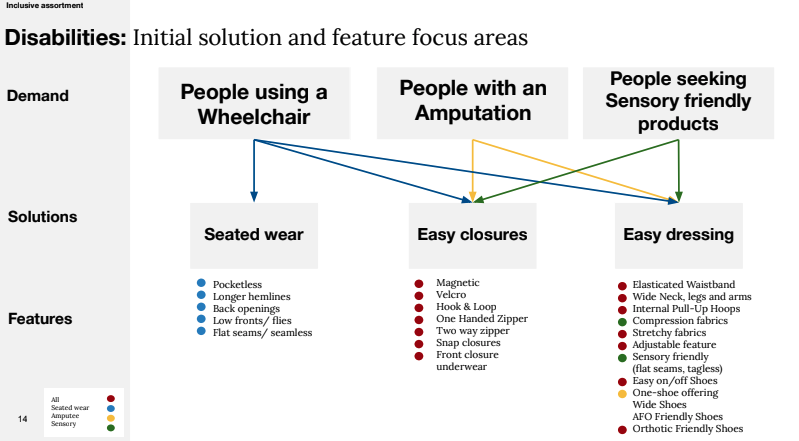
Through extensive focus research, we identified three main needs in adaptive fashion that became the focus of our private label collections (footwear, apparel, and accessories). Given the broad spectrum of disability needs and situations, these three primary needs serve as our foundation for building an inclusive product range. This focus allows our product team to dive deep into the details of functions that are genuinely beneficial for our customers with disabilities.
3 . Focus Group
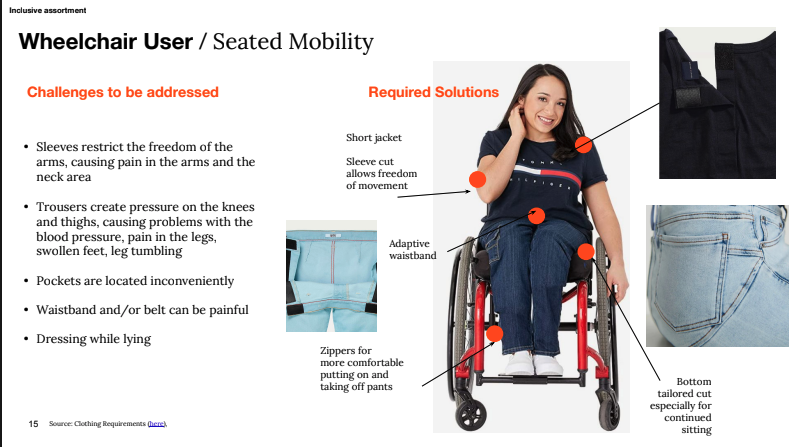
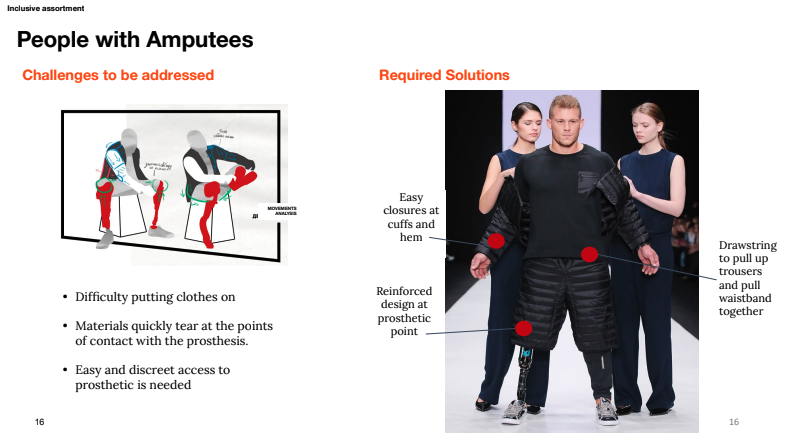
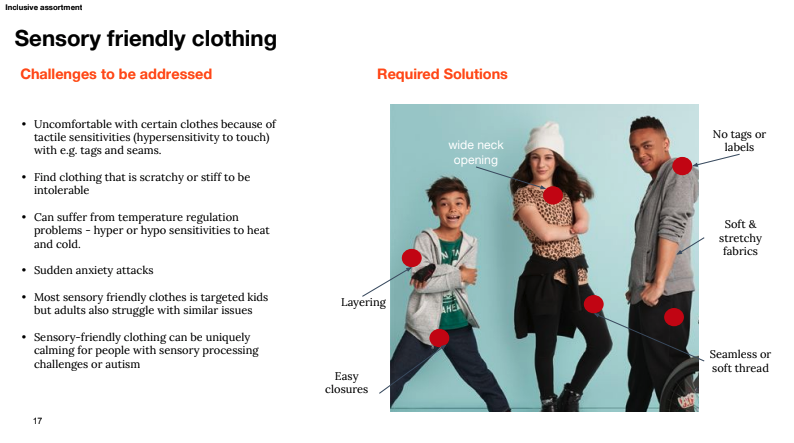
With our three main focuses—seated mobility, amputees, and tactile sensitivities—serving as the starting point for our adaptive assortment, the product team undertook extensive research on the pain points and needs of our customers with these disabilities.
In collaboration with our external expert agency, we hosted several focus groups to deeply understand the challenges faced when wearing an item, their desired functions in these products, and how we can incorporate these features into our adaptive collection (see below pictures). These focus groups provided us with valuable insights into our customers' demands, ensuring their needs are met in each respective product category.
4 . Design Research
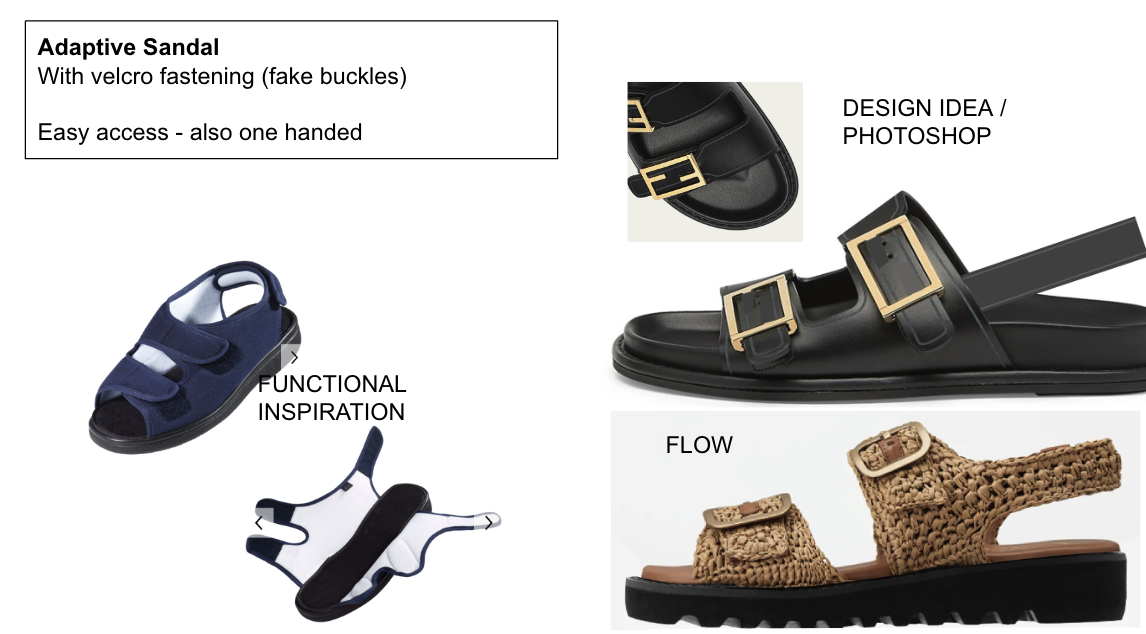
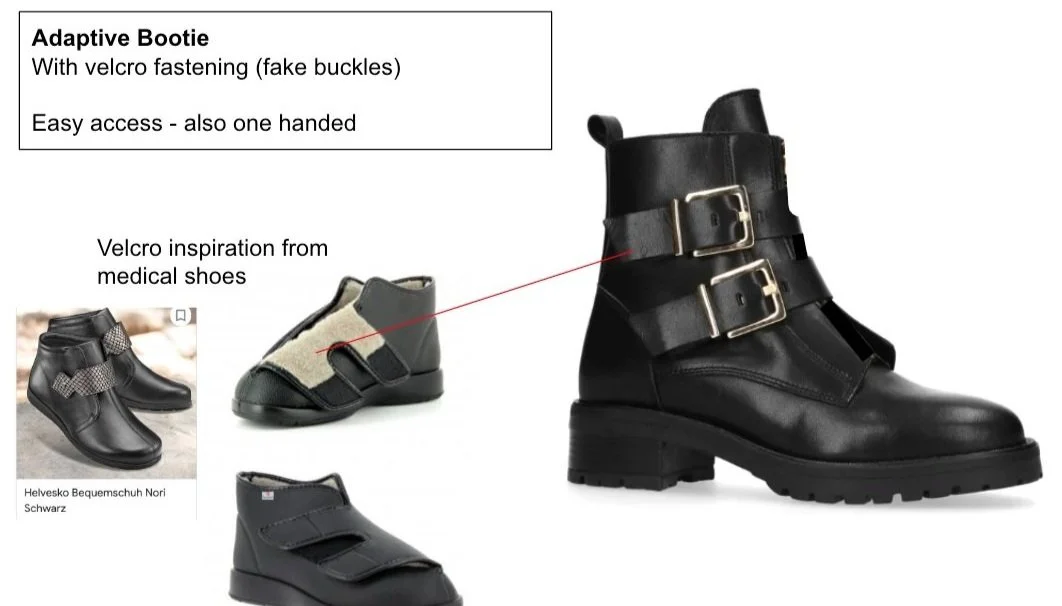
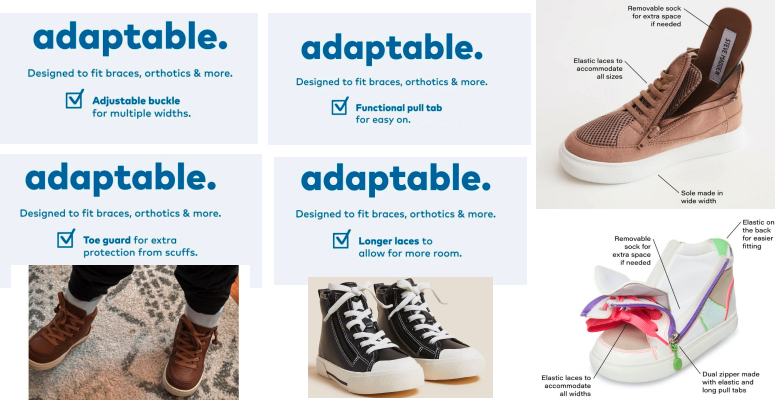
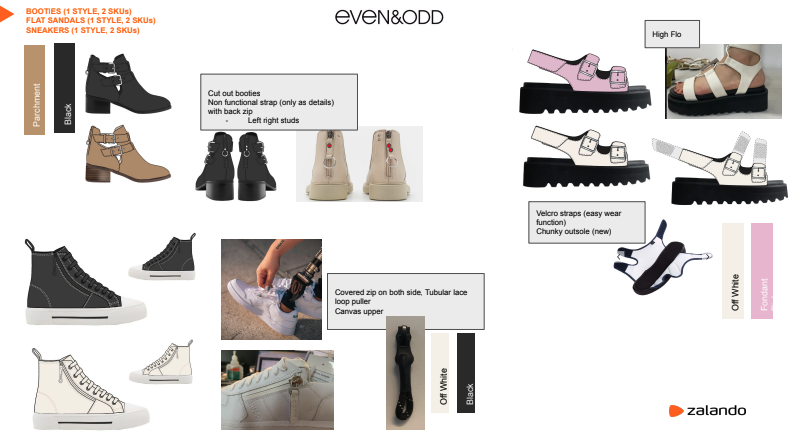
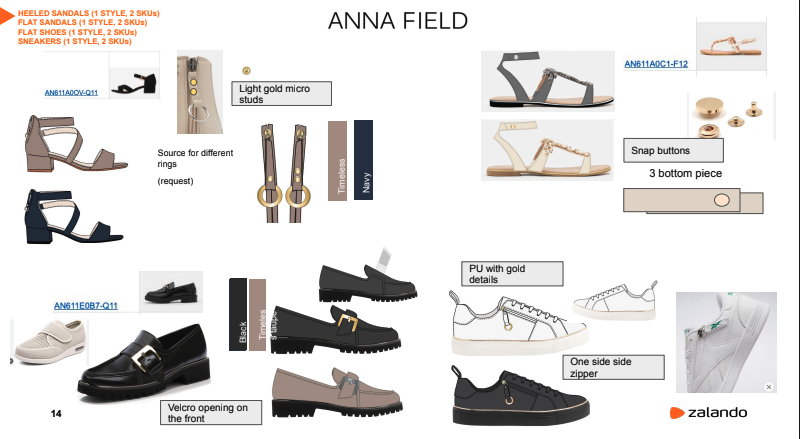
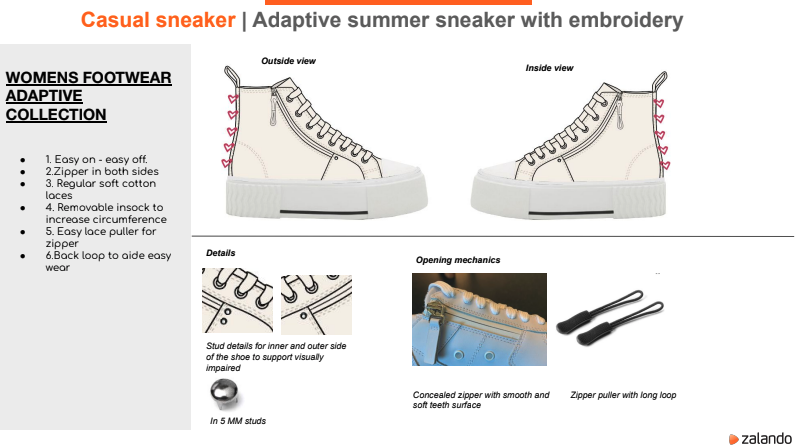
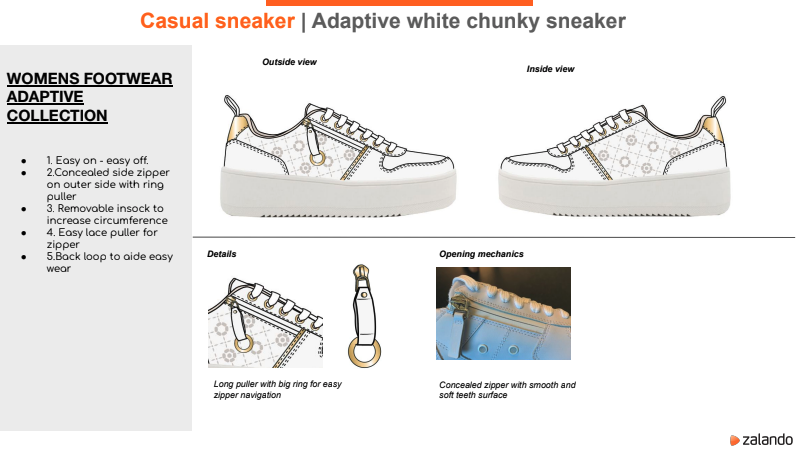
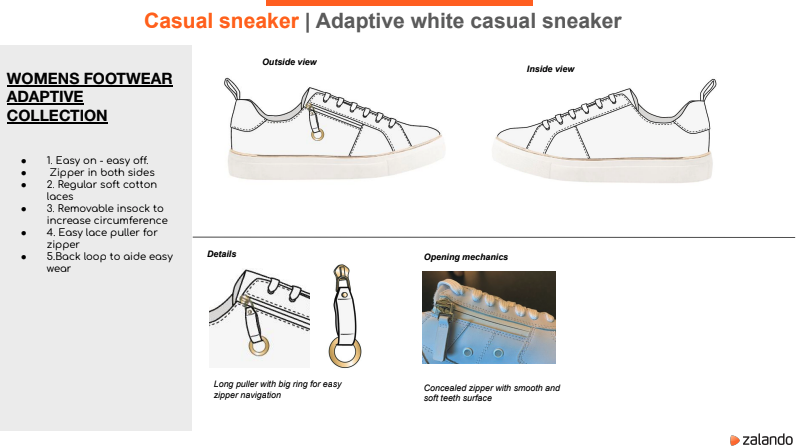
Using the research findings, I led the design team in translating these insights into functional features for women's and kids' footwear. With our extensive technical knowledge of footwear products, we conducted further research to identify functional options that not only meet each adaptive need but also complement the product's aesthetic. Our goal is to offer an assortment that not only addresses our customers' needs but also remains trendy and stylish.
5 . Line Building
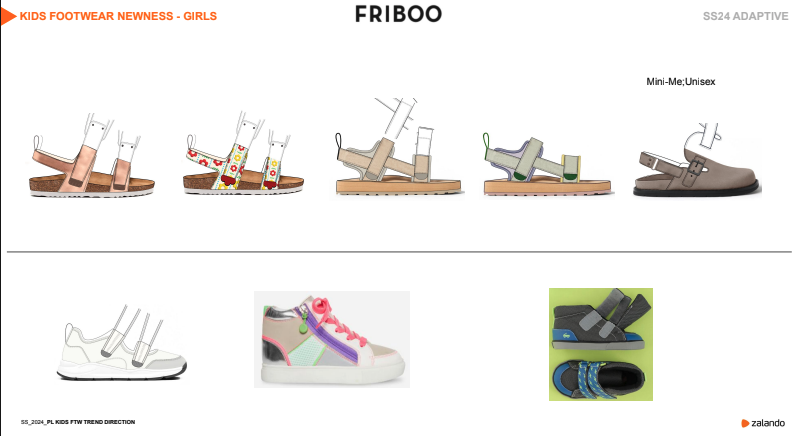
I oversaw the assortment building for both women's and kids' collections, with the women's adaptive assortment under two labels and the kids' assortment under one label from A/W 2022 onwards.
Using our best-selling constructions, I guided the development of new adaptive designs based on seasonal trends in color and design. I worked closely with our product development team on the technical aspects to enhance both the functionality and comfort of the shoes. Once the assortment was finalized, I presented it to the Buying and Design Team Lead for approval.
7 . Sample Feedback
As the final step of our process, in collaboration with our external expert partner, we conducted a focus group with our target customers to review physical samples and gather their feedback.
Participants included individuals with disabilities that we have focused on, each provided with a pair to wear and provide firsthand feedback. This input was instrumental in refining the sample designs and ensuring proper fit before placing official orders with our manufacturing partners.
The Result.
The Launch of adaptive assortment in Private label Footwear Brand
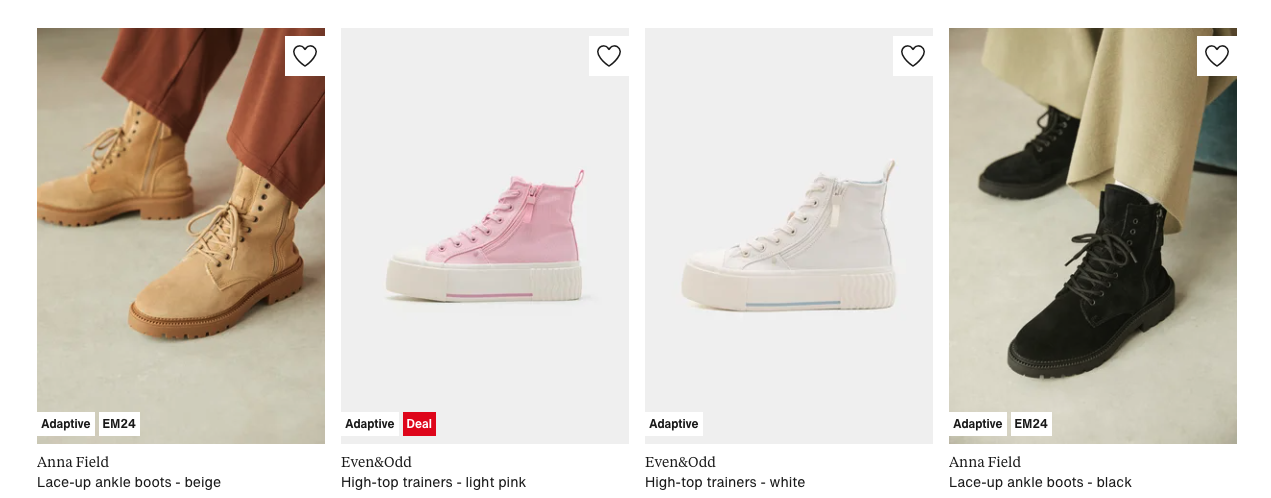
In A/W 2022, Adaptive fashion footwear collections are launched for two of our private label brands in Women and one label brand in kids.
With our external partners that are leaders in mobility solution (All is all, Ottobock), we ensured the disability community is involved in every step of the product development process. With their feedback as the driving force behind the collection, we want to ensure everyone can enjoy the benefits of affordable and stylish yet functional footwear.
The Learnings.
Communication is the cornerstone of the project
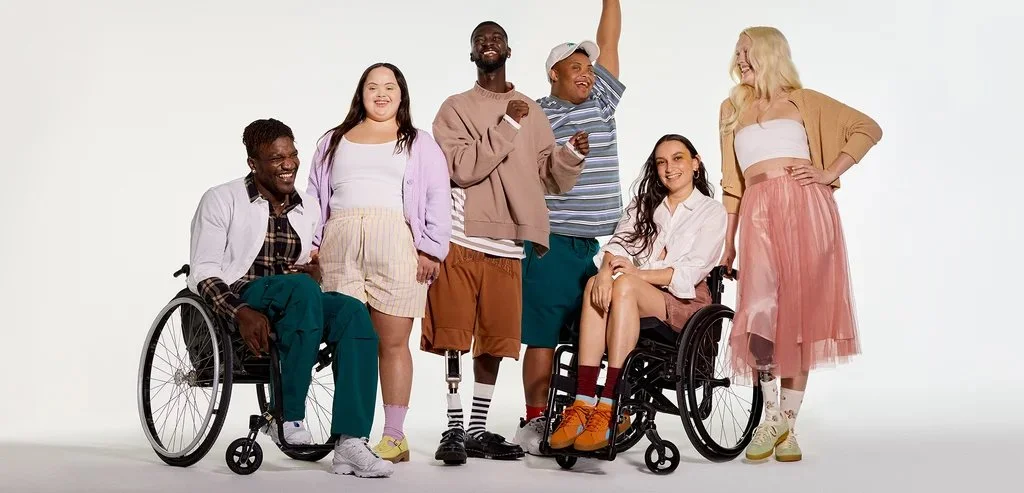
We had incredibly valuable feedback sessions with members of our disabled community, gaining direct insights into their daily lives, needs, and desires. These insights were instrumental in shaping a collection that empowers individuals with disabilities. Witnessing their enthusiasm as we discussed ideas to enhance their lives and passions made us immensely proud to be part of this journey.
Equally important was our communication with manufacturers. By clearly articulating our vision and collections, and receiving their feedback and suggestions, we experienced an exciting and enlightening process of translating ideas into functional products.